Written on: Jan 27, 2017, edited March 6, 2019
The Origin of “Bridge Over Distance”
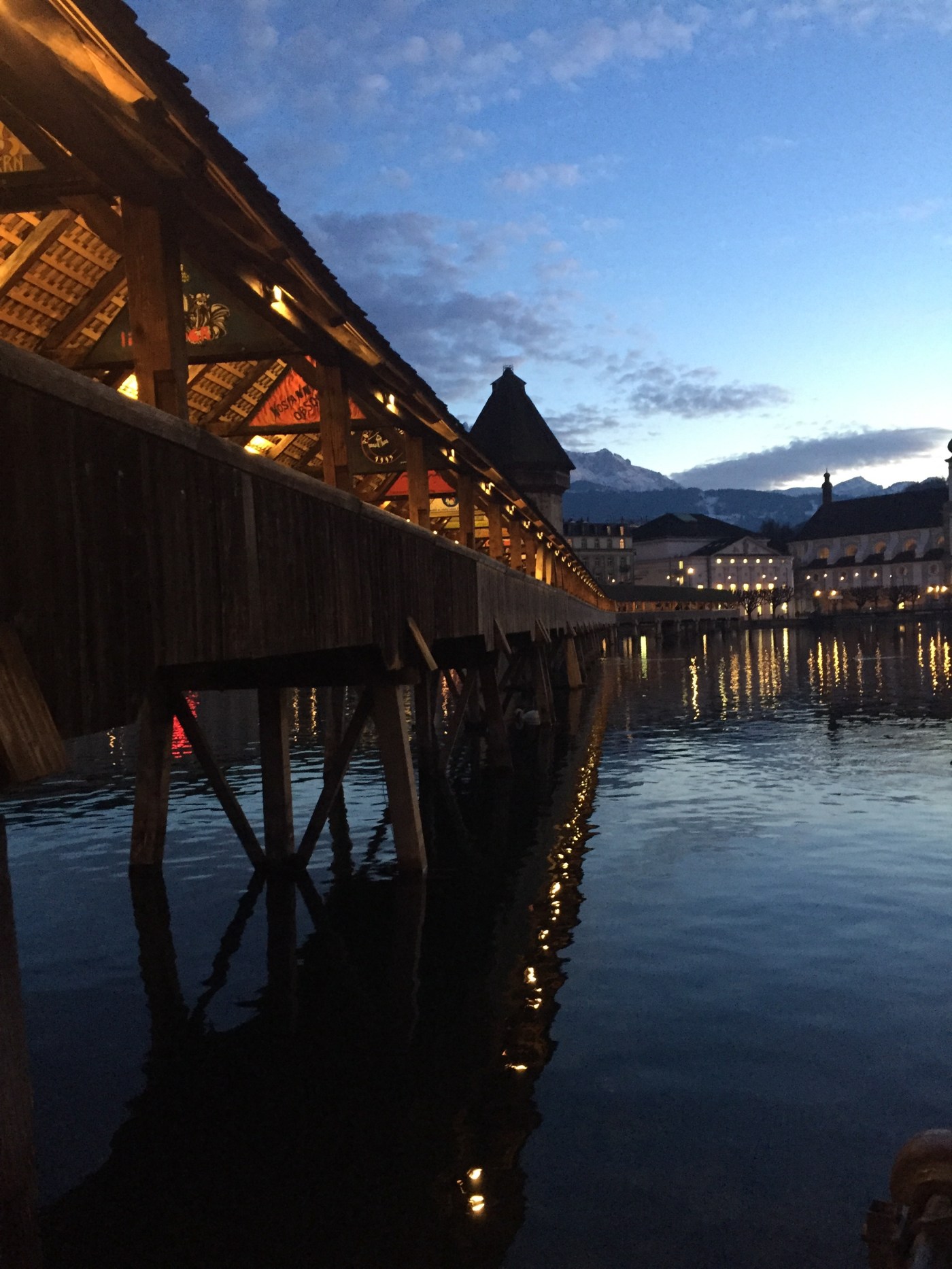
Before embarking on my first long travel experience (5 months in Switzerland/Europe) for a study abroad program, I was reflecting on the place where I was born and raised, Portland, Oregon, which is nicknamed “Bridge City.” At that time I was mentally preparing for the physical and emotional distance I would feel from comfort, from home. I also wanted this blog to serve as a digital diary; for it to be a raw reflection of my thoughts and experiences as I am stretched by the communities and cultures I am exposed to. Ideally, by sharing my stories in this space I am humanizing people and helping my readers find some connection between themselves and different ways of living and thinking. As a result I found my mouth playing with the words “Bridge Over Distance.” Thus, the title for this blog was born.
In the summer of 2016, during my Global Ethics class, we watched a recording of an address by British prime minister, David Cameron. He communicated that the world is heading in a more globalized direction. But in just one year following that interview, that idea of a global community reversed 180 degrees. Many global leaders are promoting a nationalistic ideology, which is changing systems and encouraging a sense of fear of “the other.” While studying in Switzerland during the spring of 2017, I heard it said at many human rights conferences and international non-governmental organization briefings that solidarity is necessary now more than ever. It is critical that we recognize the disconnect between people and work to bridge the gap. With a strong foundation through empowerment and personal security, we can melt fear and begin to empathize with those that seem distant from ourselves. We can build a metaphoric “bridge.” Without bridges there will always be a divide between countries, cultures, and persons. While higher authorities may lag in guiding their citizens towards empathy and solidarity within the global community, it is important we take individual initiative to be engaged and combat the inequity that exists due to our physical and conceptional borders. Listen to one another’s stories and strive for a compassionate response. Recognize your bias, judgement, anger, or fear. With an empathy-oriented mindset we might just hold ourselves accountable of explicit and implicit biases and take action to support one another. Bridge over the distance.

 Bridge Over Distance