February 8th – March 6th
Locations:
- Manila (Taguig area)
- Botangas (x2, first for a few days when I arrived, and then during my last week in Philippines)
- North loop – see separate post for details
I’ve hesitated to write about the Philippines because there is SO MUCH I can say about my experience there, it’s hard to know where to start and difficult to put it into words. I followed a feeling and I came to Phil to explore the northern region with a Filipino I’d met in Laos. His family generously hosted me. The month I spent there was a blissful escape from the backpacker life. I settled in to a slow lifestyle, and by the end of my 3-ish weeks I felt completely at home. Most days in Manila (Taguig area) I would hang out around the house, play with the kids, ride along on the motorbike to run errands, and drink Red Horse (the best local beer I’ve had in Asia!!) and eat stickos (chocolate rolled wafer stick) on the roof at night.
What has stayed fresh in my mind 2 months later…
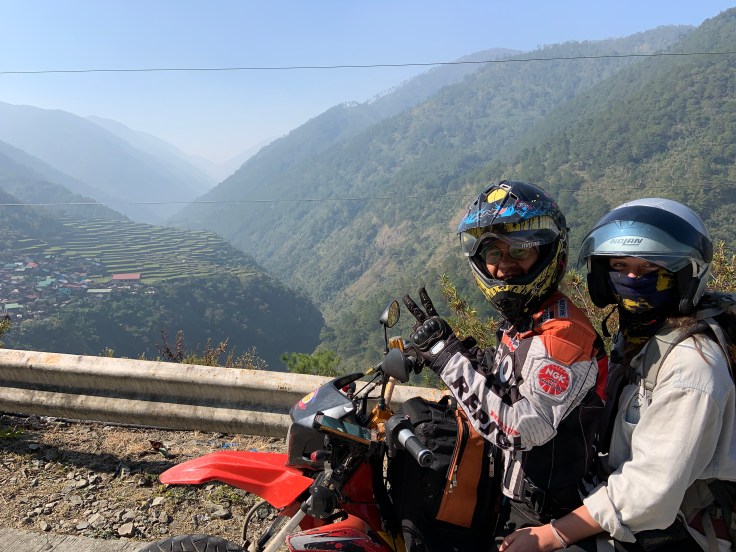
A lot of moments from motorbiking around Northern Phil. It was honestly one of the coolest experiences of my life and deserves it’s own post. Stay tuned. 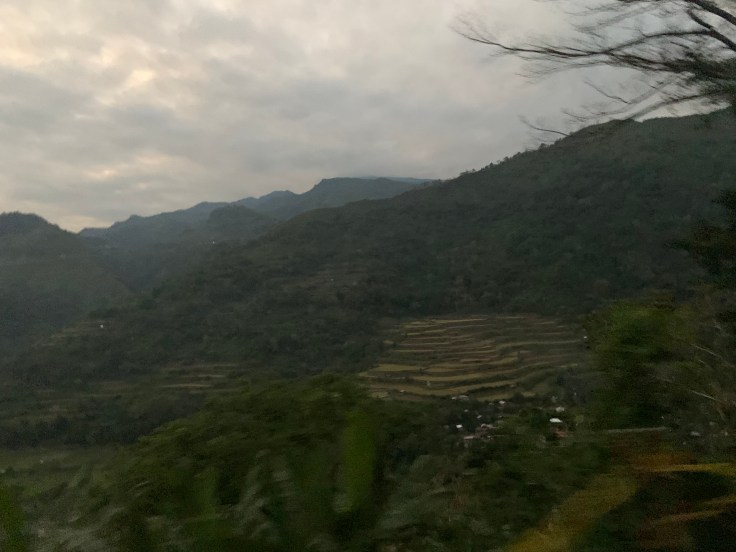

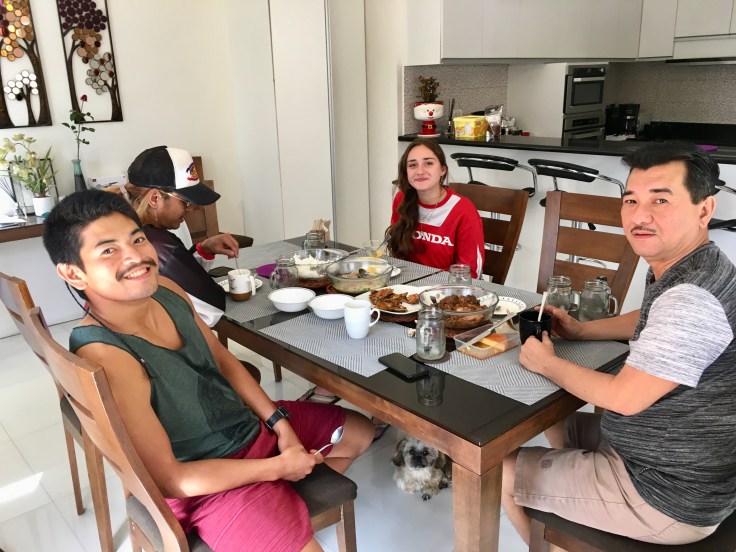
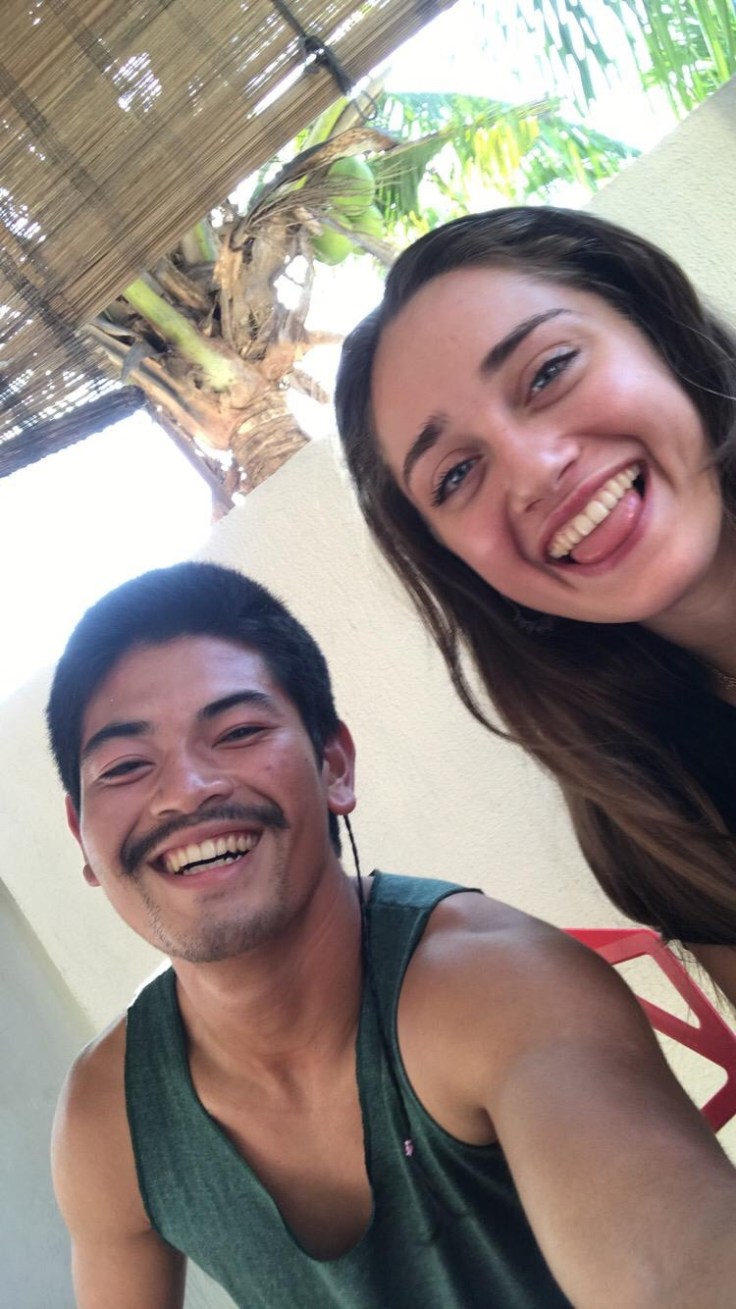
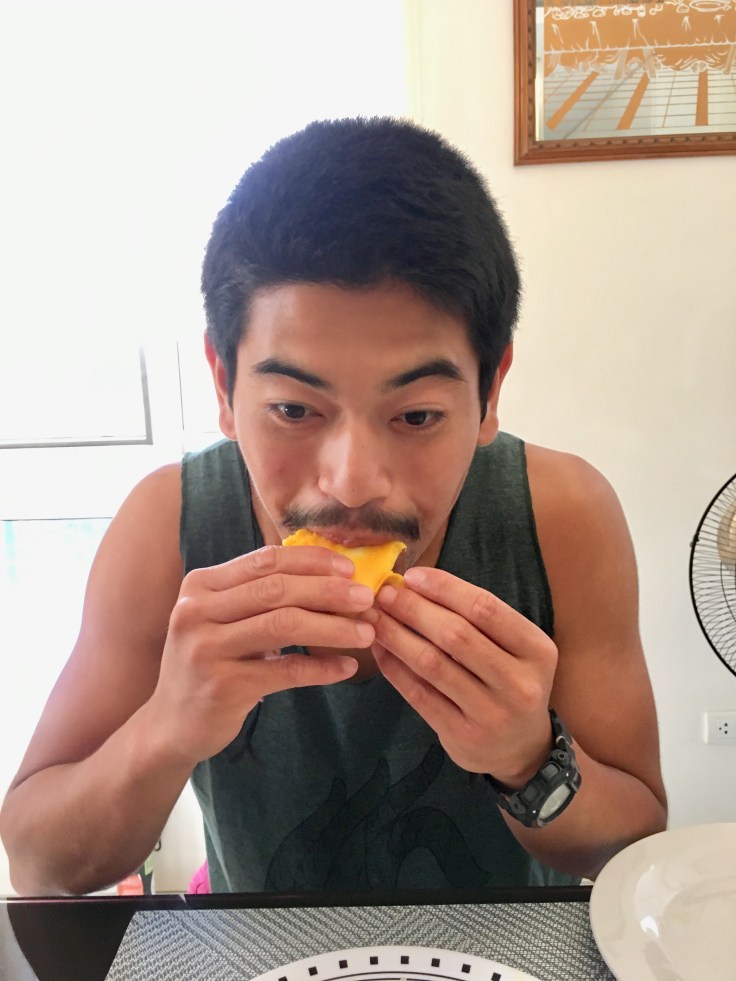
While in Manila I had the chance to visit Gabe, one of my good friends from home, at his grandpa’s house. We had an incredible lunch (and mango and cheese ice cream for dessert, which was a weird and delicious combination). I am so thankful I got to see Gabe. I had this goofy grin on my face the whole time. It felt good to reconnect with someone from college, who is close with my family, and who has known me from a different context. And it was wildly surreal to sit in his grandpa’s backyard in Philippines of all places. Moments like these are a treasure.


 So I mentioned lunch…
Let me tell you about Filipino food.
So much kanin (rice)!
Pandesal – fluffy, delicious, small sweet breads for breakfast. See an easy recipe here
Bulalo – So delicious! Bone marrow stew with rice.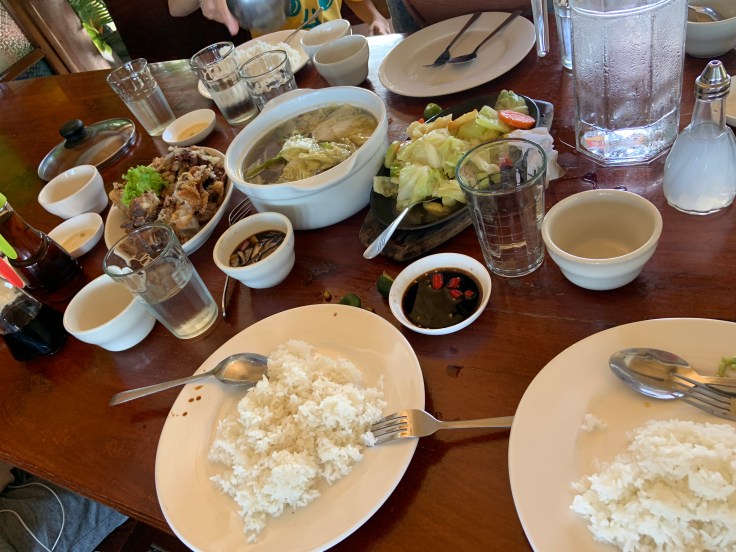
Balut – I tried this in Macau, but it’s a Filipino street snack. It’s a partially developed bird embryo (usually duck) that is half boiled and eaten from the shell. The one I tried was in a pretty early phase so I don’t remember seeing much of a fetus…maybe it was the shock of the moment, or the few beers I had before, that could have blurred that out for me. All in all, I don’t think it was that bad! But I also try not to think about it 😅
Sweet-sarap (banana ketchup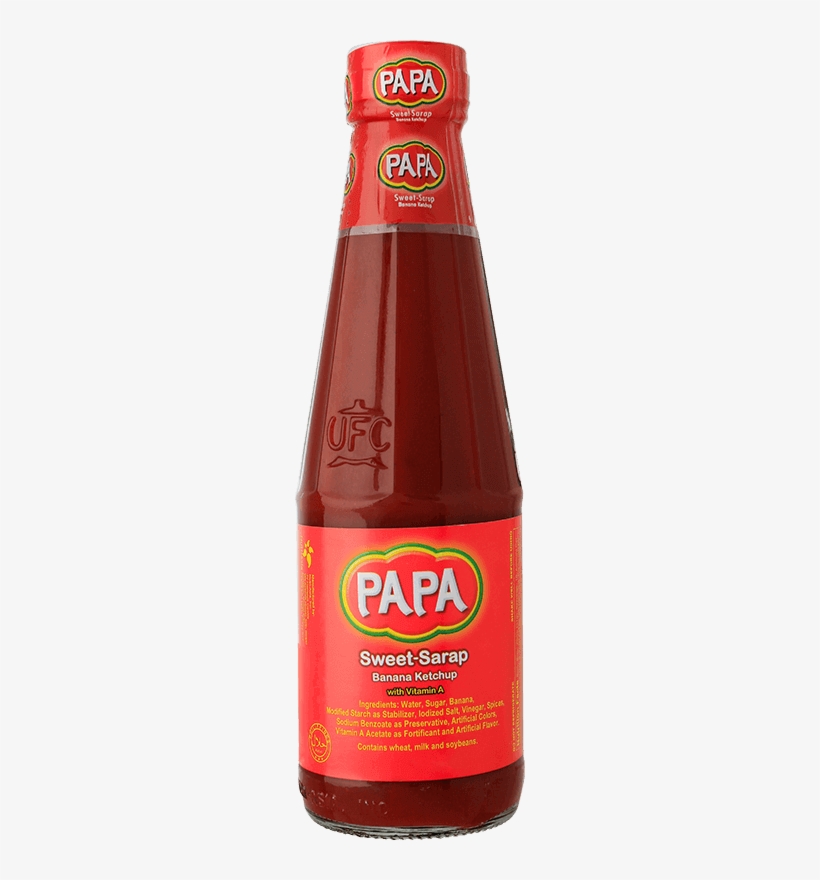
Calamansi, chile, and soy sauce, this simple combination that makes everything taste good enough to be a meal, even plain kanin.
Chicken Adobo – absolutely delicious (see pictures from lunch at Gabe’s grandpa’s)
Nilagang baboy – pork soup
Sinigang – pork stew
Tinola – chicken soup (love this one)
Spaghetti – homemade with hot dogs or from jollibee (!!!) yum
Pancit – thin noodles
Pancit canton – noodles for special occasions
Pinakbet – vegetable dish from the north
Tortang talong – fried eggplant omelet
Also just eggs – I ate eggs in a lot ways. Deep fried from a street vendor and with dipping sauce, in fluffy scrambles and omelets, as balot (but we don’t need to talk about that again)…in general, eggs are delicious
Halo halo – frozen ice and cream and jellies, street dessert 😋
Empanadas – street snack soo good
Baby crabs – had this in Batangas on the coast, so small and juicy!
Grilled Fish – got to enjoy the softest grilled fish in Batangas every day. Multiple. Times. A. Day. 😲 So amazing, so much fresh seafood. I think we had red snapper a lot (?) Im terrible with fish identification but damn it was delicious.
Angels or Frank’s Burgers – the cheapest street burgers you’ll ever find. Like 2 for 30 pesos, about 50 usd cents. But they are really the best late night food.
A lot of these foods were part of cultural experiences, like:
– Boodle fight
The night before Lola’s funeral (hold on, I’ll get there), my friend’s family brought home a whole pig, butchered it, and used it for an array of dishes. We covered a huge table with banana leaf and had a Boodle fight feast, a social way of sharing a meal. For this tradition the food is arranged on the banana leaf, everyone stands around the table and eats by hand, taking from the dishes in front of them.
– 2 birthday parties
We celebrated 2 separate birthdays at the house in Manila, for Nanay (“mother” in Tagalog) and one of the neighbors. We ate, drank, and sang a lot of karaoke 🎤🥳
– Lola’s Funeral
I was so lucky that when I first arrived to Phil we went to Batangas the next day, and I met Ryan’s lola (grandma). Because about 2 weeks later, while Ryan and I were motorbiking through the north, she passed away. When we returned we went south to Batangas and gathered with the family for several days prior to the funeral. It was an interesting dynamic, because even in this time of heavy sadness family members were capable of smiling and cracking jokes. It was a celebration of life and opportunity for reunion. It an open casket memorial. On the day of the funeral, we wore white and walked behind the car. Filipino songs of love, sadness and togetherness playing through the speakers, and the whole family brought lola to the church.
Language and communication
Tagalog is actually really easy to learn! As it uses the latin alphabet and has a lot of links to Spanish, it felt simple compared to many Asian languages I’ve been practicing.
– Learning Tagalog
I started practicing Tagalog the moment I touched down to Philippines…and although I wasn’t conversational by the time I left I had some key words and phrases down. It’s the most I’ve learned of any Asian language, and has been the easiest to learn. I had a lot of time to practice with Ryan while on the bike. The words that have really stuck are…
(Duh) Hello/How are you: “Kamusta ka” pronounced as it looks
Thank you: “Salamat”
Cheers: “Tagay”
Beautiful: “Maganda”
and for fun, “nakalimutan ko yung kanin” (“I forgot the (cooked) rice!” I also forgot how to spell that phrase, but the sounds stuck.)
Impressions and reflections…
I arrived in Manila at night on February 8th. Ryan’s family is so thoughtful that they came to the airport to hang out with me, for over 2 hours, while we waited for Ryan’s flight to come in. I hardly knew any Tagalog at this point, just Kamusta (Hello) and some greetings I’d picked up from a language app lesson (Mango Languages, it’s a good one). Awkward and nervous, I did my best to communicate. Nanay (mom), Tatay (dad), and Ining (little sister) welcomed me, and this was just the beginning of what I’d come to realize is a signature aspect of Filipino culture – hospitality. Rarely do I experience this degree of warmth, genuine interest in getting to know me, and caring for my well-being; and never from nearly every local person I come in contact with. I often found myself comparing the generosity and good energy to my experience with the Persian community. As I am half Persian (Iranian), being surrounded by a familiar culture was comforting.
It’s the small acts of kindness that added up to show how loving Filipinos are.
A few random examples of these sweet and generous gestures were things like,
1) staying with Ryan’s family and his extended family for about a month (in Taguig and all over the North of Philippines. They fed and hosted me for free. Like all of February!)
2) Tatay driving a different route home from Batangas so that I could see a new view.
3) Nanay rarely letting me wash dishes and helping with my laundry.
4) Nanay buying me an outfit.
5) a random free donut with my coffee at the mall.
6) simply the smiles and excited interest from most Filipinos I came across (especially in 7-11 for some reason haha).
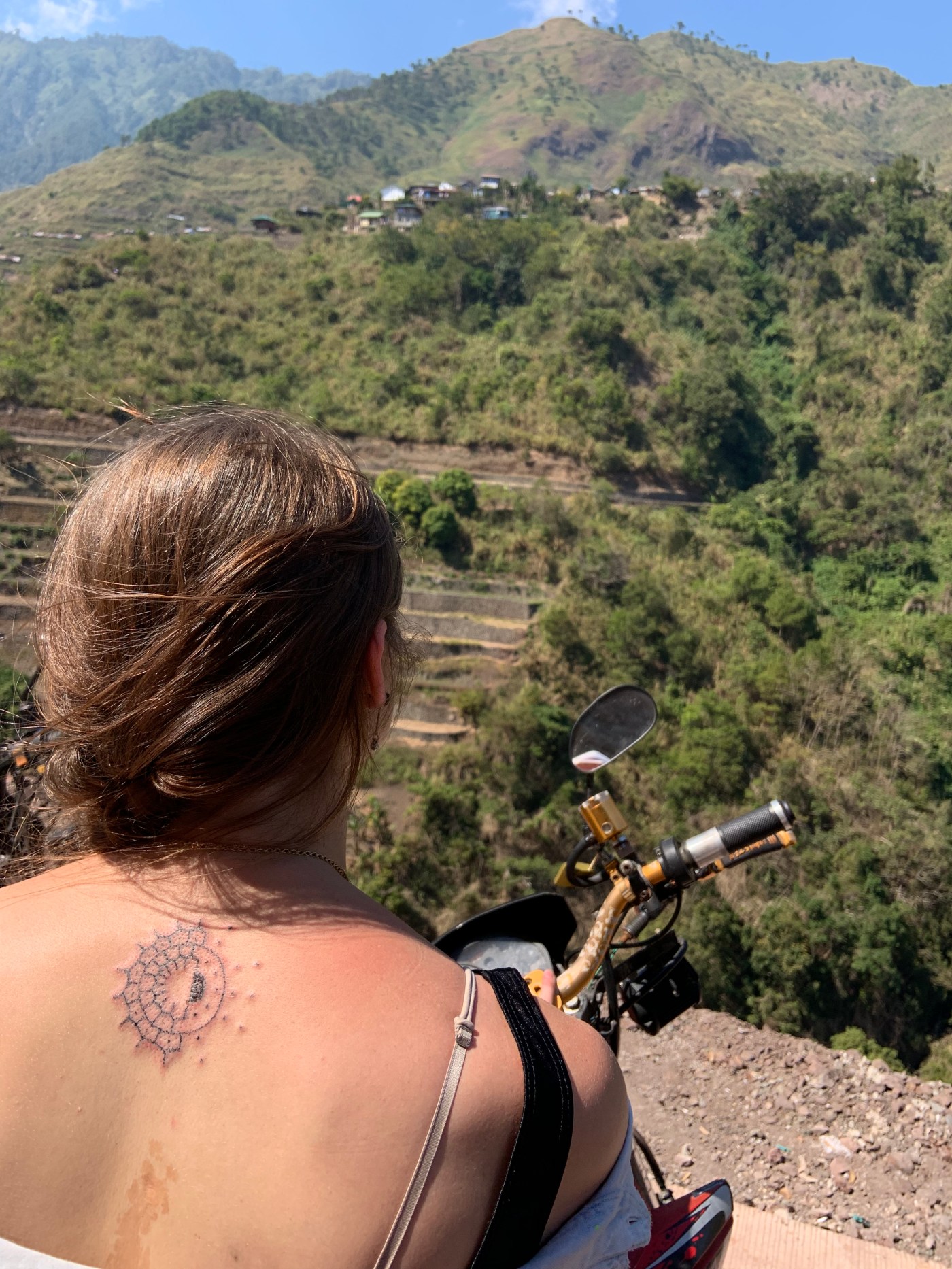
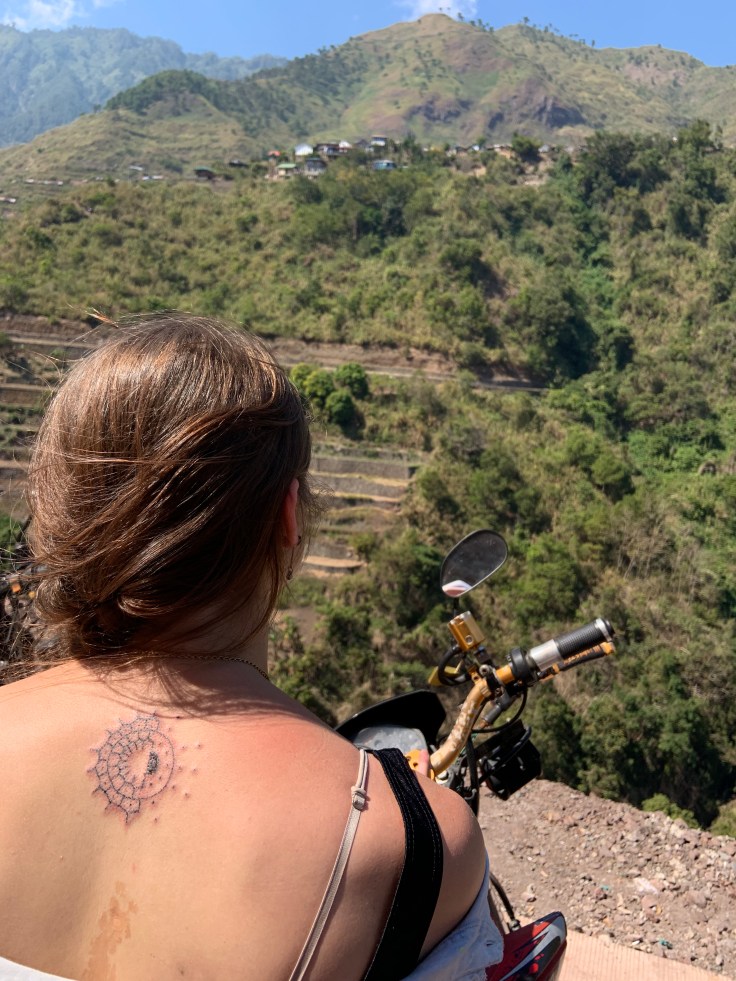
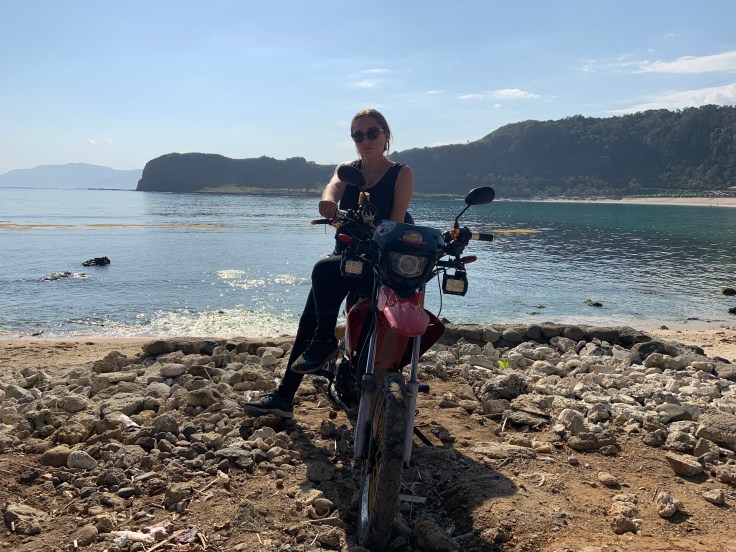
7) meeting some Filipinos in Buscalan who helped us out to find a place to sleep that night, and who we rode with the next day. Super kind, almost all of us got tattoos in Apo Whang Od’s village, and there was a cool “team” vibe between us.
.
.
Philippines was like living at home, and then it was a total adventure. I’m excited to go back, and I’m looking forward to diving and exploring the south next time!

 Bridge Over Distance